What if your lights could help you eat better and stay on track?
Ever caught yourself staring into the fridge at midnight, unsure if you’ve already had too much sugar today? Or struggled to stick to a healthier routine because everything feels like *work*? What if the soft glow of your living room lamp could gently remind you it’s time to wind down—or celebrate that you’ve hit your weekly goals? Smart lighting isn’t just about brightness or color anymore. It’s quietly becoming a part of how we care for ourselves, one subtle cue at a time. This isn’t science fiction—it’s happening in homes just like yours, where light no longer just helps us see, but helps us live with more awareness, balance, and calm.
The Quiet Revolution in Your Home Lighting
We don’t think much about how we use light—it’s just there, flipping on with a switch. But modern smart lighting does more than illuminate; it observes, adapts, and responds. Unlike traditional bulbs, these systems learn when you wake, cook, or unwind. Over time, they begin to reflect your habits, offering feedback not through alerts, but through gentle shifts in tone and brightness. This quiet presence makes them ideal partners in personal growth—especially when tied to goals like eating well or staying consistent with routines.
Think about how much of your day happens under artificial light. From the kitchen in the morning to the living room at night, your environment is shaped by the lamps and fixtures around you. Now imagine if that light wasn’t just functional, but supportive. What if your bedroom light warmed slightly as bedtime approached, signaling your body it’s time to slow down? Or your kitchen lit up in a bright, energizing tone when it’s time for breakfast, helping you avoid reaching for coffee out of habit rather than need? These aren’t commands. They’re gentle nudges, built into the space you already live in.
And the best part? You don’t need to be tech-savvy to benefit. Most smart lighting systems today are designed with simplicity in mind. Brands like Philips Hue, LIFX, and Nanoleaf offer easy-to-install bulbs and apps that guide you step by step. You can start small—one bulb in your bedside lamp—and grow from there. The real magic happens not in the technology itself, but in how it blends into your life, becoming a quiet ally in your daily rhythm.
When Lights Start to "Understand" Your Day
Imagine your kitchen lights warming slightly when it’s time for breakfast, or dimming earlier if you’ve eaten a heavier meal and need to digest. Smart lighting can sync with daily patterns gathered from simple tracking apps—like water intake, meal times, or step count. It doesn’t judge or nag. Instead, it uses light as a calming signal: a soft pulse when you’ve reached your veggie goal, or a cooler tone if it’s past your ideal dinner time. These small cues become part of your environment, shaping behavior without pressure.
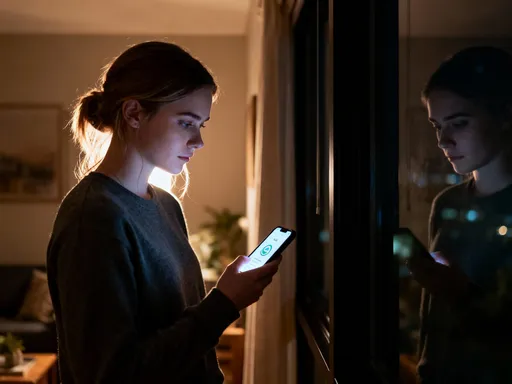
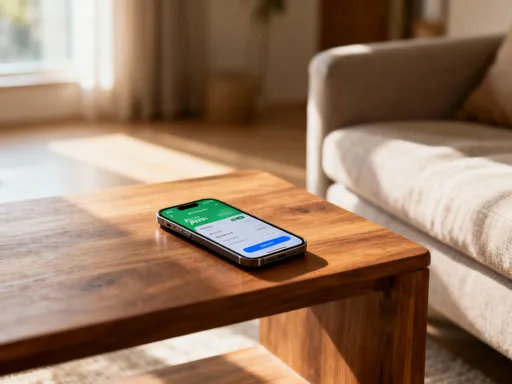
Let’s say you’ve been tracking your meals in a nutrition app. Some smart lighting systems can connect to those apps and respond when certain goals are met. For example, if you’ve logged three servings of vegetables, your living room light might glow a soft green for ten minutes—like a quiet high-five. It’s not loud or demanding. It’s just there, a small celebration woven into your evening. And when you see it, you feel it—*I did that. I made a good choice.*
Or picture this: it’s 8:30 p.m., and your usual dinner time is 7. Your lights, synced to your routine, gradually shift to a warmer, dimmer tone. You didn’t get a notification. No alarm went off. But the change in light feels like a whisper: *Hey, it’s getting late. Maybe skip the heavy meal.* You don’t feel scolded. You just feel guided. And over time, these subtle signals help you build habits that stick—not because you’re forcing yourself, but because your home is gently encouraging you.
How Light Influences What You Eat (and When)
Science shows that lighting affects mood, energy, and even appetite. Bright, cool light in the morning helps regulate circadian rhythms, making you less likely to crave sweets by afternoon. Warmer tones in the evening signal the body to slow down—reducing late-night snacking. Smart lighting leverages this naturally, adjusting throughout the day to support healthier choices. Over time, your home becomes a space that gently steers you toward balance, not through rules, but through rhythm.
Let’s talk about mornings. If you’re like many of us, you wake up groggy, reach for the phone, and scroll before even getting out of bed. But what if your bedside lamp slowly brightened with a cool, daylight-like tone, mimicking sunrise? Studies show this kind of light helps suppress melatonin, the sleep hormone, making you feel more alert. And when you’re alert, you’re more likely to make intentional choices—like choosing oatmeal over sugary cereal, or taking a quick walk instead of hitting snooze.
Now fast forward to the evening. This is when many of us struggle the most. The day’s stress builds up, and late-night snacking becomes a way to unwind. But warm, dim lighting can help. Research from the Lighting Research Center at Rensselaer Polytechnic Institute shows that reducing blue light exposure in the evening supports better sleep and reduces cravings. Smart lights can automatically shift to a warmer spectrum after 7 p.m., creating a calming atmosphere that makes you less likely to wander into the kitchen for a second snack.
And here’s something beautiful: when your environment supports you, you don’t have to rely solely on willpower. You’re not fighting yourself. Instead, your home becomes a partner in your wellness journey. The light doesn’t force you to eat better—it makes it easier, more natural, almost automatic.
Building a Smarter Routine with Light as Your Guide
Tracking diet progress often feels like logging into a spreadsheet. But what if your environment helped you stay aware without opening an app? A quick glance at your hallway light—shifting to green after three healthy meals—can offer quiet pride. If you’ve been sedentary, a subtle amber glow might prompt movement. These aren’t commands. They’re visual milestones, making progress feel tangible and personal, woven into the fabric of your home life.
One mom in Ohio told me she uses her kitchen light to track family meals. Every time they eat a home-cooked dinner with veggies, the light pulses a soft green. Her kids notice. They’ll say, “Look, the light’s happy!” It’s become a game, a shared win. And over time, those small wins add up. They’re not just eating better—they’re feeling good about it.
Another woman, a busy nurse, uses her bedroom light to signal hydration. She connects her smart bulb to a water-tracking app. Every time she logs a glass, the light gives a quick blue shimmer. It’s not much, but it’s enough to keep her mindful. “I don’t have to think about it,” she said. “I just see the light, and I remember.” That’s the power of ambient feedback—it works in the background, so you don’t have to.
And the best part? You don’t need perfect data. You don’t need to track every calorie or step. Even basic routines—like waking up, eating meals, and winding down—can be supported by light. The goal isn’t perfection. It’s progress. It’s creating a home that helps you feel more in control, more at peace, more like the person you want to be.
Real-Life Moments: How Families Use Light to Stay on Track
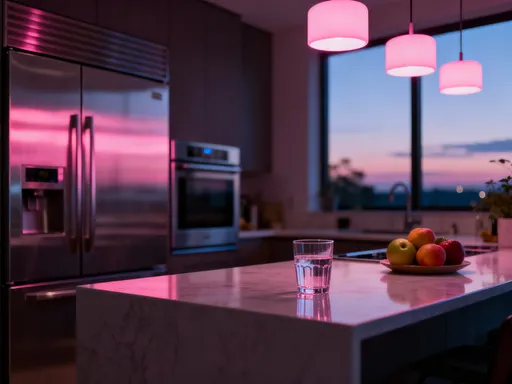
One family uses kitchen lighting to mark “sugar awareness” days—subtly shifting to a softer pink when they’ve hit their limit. A college student syncs her dorm lights with hydration goals, seeing a refreshing blue pulse each time she drinks water. These aren’t futuristic scenes—they’re happening now, quietly improving focus, sleep, and eating habits. The tech blends in, but the impact stands out.
Take Sarah, a mother of two in Colorado. She started using smart lighting when her youngest was diagnosed with early signs of insulin resistance. The doctor recommended diet changes, but Sarah felt overwhelmed. “I didn’t want to police my kids,” she said. “I just wanted to create a healthier home.” So she started small. She set her kitchen light to warm up at 7 a.m., signaling breakfast time. At 7 p.m., it shifted to a cozy amber, reminding everyone it was time to slow down.
Then she added a fun twist: on days when the family ate three servings of vegetables, the light turned a soft gold for an hour. Her kids loved it. “They’d say, ‘Mom, can we earn the gold light tonight?’” Sarah laughed. “It made healthy eating feel like a celebration, not a punishment.” Over six months, her family’s veggie intake doubled. More importantly, the mood at dinner improved. There was less nagging, more connection.
Or consider Maria, a single mom in Atlanta who works two jobs. She doesn’t have time to track every meal, but she wanted to be more mindful. She set her living room lamp to glow a gentle lavender at 8 p.m.—her signal to start winding down. “It’s like my home is saying, ‘It’s okay to rest now,’” she said. And when she sees that color, she puts her phone down, pours a cup of tea, and just breathes. “It’s the one time of day I feel like I’m not rushing.”
Setting It Up: Simple Steps to Begin
You don’t need a full smart home to start. Begin with one room—a lamp in the kitchen or bedroom. Connect it to an app that tracks meals or activity. Set basic rules: warmer light after dinner, a brief color flash when daily goals are met. Over time, refine the cues that work best for you. The key isn’t complexity—it’s consistency and personal meaning.
Here’s how to get started in four simple steps:
First, pick one goal. Maybe it’s drinking more water, eating more veggies, or going to bed earlier. Keep it simple. You’re not trying to change everything at once. Second, choose one light. A bedside lamp, a kitchen fixture, or even a plug-in smart bulb. Third, download a compatible app—most brands have free ones that walk you through setup. And fourth, create one rule. For example: “After 8 p.m., my bedroom light turns warm and dim.” Or “When I log 5,000 steps, my hallway light glows green for five minutes.”
That’s it. You don’t need fancy routines or complex automations. Just one small, meaningful change. And once you see how it feels—how that little glow makes you pause, smile, or make a better choice—you’ll want to add more. But go slow. Let the habit stick before adding the next step.
And remember: this isn’t about being perfect. Some days, you’ll forget to log your water. Some nights, you’ll stay up late. That’s okay. The light doesn’t shame you. It just waits, ready to support you again tomorrow. That’s the beauty of it—it’s always there, calm and consistent, like a quiet friend who believes in you.
More Than Light: A Home That Grows With You
Ultimately, smart lighting becomes more than convenience—it becomes a companion in self-care. It doesn’t replace willpower, but supports it, quietly celebrating progress and encouraging mindfulness. In a world full of noise, having a home that *understands* and responds with gentle light brings a new kind of peace—one where wellness feels effortless, beautiful, and deeply personal.
Think about the places that make you feel safe, seen, and supported. For many of us, home is supposed to be that place. But too often, it’s just a backdrop to our busy lives. With smart lighting, your home can become active in your well-being. It can celebrate your wins, soothe your stress, and gently guide you back on track when you drift.
And the most powerful part? This isn’t about chasing some ideal version of yourself. It’s about honoring who you are right now—and creating a space that helps you grow at your own pace. The light doesn’t demand more from you. It simply reflects your efforts, making them visible in a way that feels kind, not critical.
So the next time you’re standing in your kitchen at night, unsure if you should open the fridge, imagine a soft, warm glow wrapping around the room—a quiet reminder that you’ve already done enough today. That you’re doing your best. That you’re not alone. Because your home is with you, not just holding space, but holding hope.
And really, isn’t that what we all want? A life that feels a little easier, a little brighter, a little more in tune with who we are? With smart lighting, that life isn’t far away. It’s already glowing, right in your living room.